by Linda Wulf | Feb 2, 2026 | Main Blog |
When Compassion Met Incentives: The Orphan Drug Act of 1983 (Part 1 of 4)
In the late 1970s and early 1980s, families across America watched helplessly as loved ones died from rare diseases—conditions so uncommon that pharmaceutical companies saw little profit in developing treatments. Doctors had few options. Researchers had limited funding. Patients had no real leverage. These “orphan” diseases affected small populations, often fewer than 200,000 Americans, making them unappealing to market-driven drug development.
Congress responded with bipartisan urgency. On January 4, 1983, President Ronald Reagan signed the Orphan Drug Act (ODA) into law, amending the Federal Food, Drug, and Cosmetic Act to encourage the creation of drugs for rare diseases.
The core idea was simple and humane: If private industry wouldn’t invest because the patient pool was too small to recoup costs, the government would make it worthwhile through targeted incentives. Those incentives were designed to reduce risk, shorten timelines, and make rare disease research economically viable.
Key provisions included:
- Orphan drug designation: Companies could apply to the FDA for a drug to be designated as an “orphan” if it targeted a rare disease (defined as affecting < 200,000 people in the U.S., or more if no reasonable expectation of profitability). This unlocked benefits early in development.
- Tax credits: Up to 50% of qualified clinical trial costs could be claimed as a credit, reducing the financial burden of research.
- Market exclusivity: Upon FDA approval, the first sponsor received seven years of exclusive marketing rights for that drug in treating the designated rare condition—no direct competitors could enter the market during that period.
- Grant funding: The FDA’s Office of Orphan Products Development awarded research grants to support orphan drug studies.
- Fee waivers: Exemption from Prescription Drug User Fee Act (PDUFA) application fees.
- Regulatory support: Priority review, closer FDA coordination, and access to expedited pathways.
These carrots worked. Before 1983, the FDA had approved only about 10 drugs that would qualify as orphans. In the decades since, hundreds of orphan designations have led to over 500 approvals for rare disease treatments, transforming what was once a neglected area into one of sustained innovation.
At its heart, the 1983 Act was an act of compassion translated into policy—bridging a market failure to give hope to patients long ignored. It proved that targeted government intervention could spur private investment where pure economics had failed.
Yet this success planted seeds for what came next: a system that, over time, grew far beyond its original intent.
What began as a targeted solution to a market failure would not remain temporary. In the years that followed, rare disease moved from exception to infrastructure—embedded into federal research, funding, and regulation.
In Part 2, we’ll examine how that shift became permanent with the Rare Diseases Act of 2002—and how a bridge turned into a system designed to run indefinitely.
by Linda Wulf | Dec 11, 2025 | Main Blog |
My Cancer Protocol – And Walked Away
Midnight, January 2024, Mayo Clinic room. I was sitting in my room at the Mayo Clinic, still recovering from another high-dose methotrexate infusion. The side effects were accumulating—brain fog, weakness, immune depletion—but the unease that grew inside me wasn’t just physical. It was something deeper, something instinctual, something that wasn’t right. That night, I opened my laptop and typed a question into ChatGPT: “Who writes the guidelines for central nervous system lymphoma?” The answer came back quickly: the National Comprehensive Cancer Network (NCCN)—a non-profit alliance of elite cancer centers across the United States that produces the protocols used in nearly every major institution. The same guidelines that were directing my care.
When I visited the NCCN website that night, something unexpected appeared. At the top of the guidelines submission page, I saw the names AbbVie, Genentech, and Pfizer. The wording implied that these companies weren’t just supporters but gatekeepers—positioned to influence which drugs and protocols made it into the standard of care, long after the research was done and the manufacturing complete. Moments later, the page shifted—replaced by a list of credentialed researchers from major institutions like Stanford, Harvard, and Mayo Clinic. But that fleeting glimpse revealed a deeper truth: the protocols steering my care appeared, if only briefly, to answer to industry interests—not to independent science.
That was the decisive moment it changed for me.
When the Disconnect Became Clear
My decision to walk away didn’t begin with ChatGPT, or NCCN, or even the protocols. It started weeks earlier, on December 5, 2023, when I first heard the phrase “inoperable but treatable.” I remember writing in my journal that day and feeling something crack: a disconnect between what I knew about nature, healing, and inflammation—and what the doctors were saying. They told me this cancer had no cause and no cure, but showed some enthusiasm about how we hope to figure it out soon, almost like a pep talk to join the “let’s beat cancer team.”
It took a little over a month for me to exit the program, but it turns out, I am not a team player. I knew my body’s story: I’d lived with a chronic dental infection, which was active at this time. What they offered wasn’t hope; it was protocol, followed by a lifetime of medical management for the treatment’s side effects. That moment I realized how deeply pharmaceutical companies were tied to the very guidelines directing my care, it didn’t spark the decision. It confirmed it—especially after seeing how the initial antibiotics and steroids had already started turning things around.
A Rare Diagnosis—and Rare Consent
My cancer—Primary Central Nervous System Lymphoma (PCNSL)—is considered rare. That label triggered a specific sequence of events: a diagnosis fast-tracked into treatment, multiple high-risk drugs, and a deeply standardized regimen. What I didn’t fully understand at the time was that many of the drugs in this protocol were either off-label or experimental.
- Temozolomide depletes lymphocytes—the very cells I needed to heal.
- I had severe reactions to Rituximab (violent immune response).
- Vancomycin (severe allergic reaction).
The NCCN guidelines for my disease recommended 12 different clinical trials for the “let’s beat cancer team” and had one brief phrase about healthy living. At no point did anyone stop to ask why I had this cancer—what my body had been exposed to, whether my long-standing dental infection, systemic inflammation, or chemical sensitivities played a role. Instead, I was swept into the treatment protocol: no pause, no curiosity, and no exploration of root causes.
The Orphan Drug and Rare Disease Loophole
My diagnosis—Primary Central Nervous System Lymphoma (PCNSL)—qualifies as a rare disease under the Orphan Drug Act of 1983 and the Rare Diseases Act of 2002, laws enacted to spur research and development for conditions affecting fewer than 200,000 Americans (the threshold for ‘rare’ under the ODA). The intention was noble. The outcome? More slippery. Drugs approved under these acts often:
- Benefit from flexible FDA approval standards, like smaller trials or surrogate endpoints.
- Receive tax credits of up to 25% for clinical trial costs.
- Access competitive federal grants from FDA and NIH, ranging from hundreds of thousands to millions.
- Waive FDA user fees, saving companies millions per application.
- Gain seven years of market exclusivity for the orphan use—even for off-patent drugs.
In practice, this allows companies to profit from drugs integrated into rare disease protocols, without necessarily demonstrating improved outcomes. And since guidelines like NCCN’s are developed by experts at institutions receiving funding from those same companies, the incentives form a tight circle. According to their own 2020–2023 patient guidelines, the NCCN’s recommendations are based largely on expert opinion and trial availability—not robust long-term outcomes. Even the most recent protocols continue to suggest clinical trials and immunochemotherapy combinations, while failing to acknowledge root causes or preventative strategies. I wasn’t just a patient. I was a participant in a commercial enterprise.
The Economics of “Standard of Care”
One look at my Mayo Clinic itemized bill told the other half of the story. The pharmaceutical charges were staggering and volatile fluctuating dramatically in a short time frame:
A baffling increase for a “Bio-Similar” drug in such a short time, possibly due to quarterly adjustments in average sales price or hospital markups.
Adding insult to injury, insurance denied coverage in the end because Rituximab is typically for B-cell lymphomas (it targets CD20 on B-cells), and mine did not have involved B-cells.
But it wasn’t just the cost. It was the pattern.
These were the exact drugs I reacted poorly to—triggering violent immune responses, allergic reactions, or systemic crashes. And the manufacturers? Genentech for Rituximab. Pfizer for Vancomycin. Merck and generic suppliers for Temozolomide. Ironically—or perhaps not—Genentech and Pfizer were among the names that briefly appeared at the top of the NCCN guidelines page that night.
These weren’t just medications. They were products in a pipeline—and I was part of the distribution system.
- Legal.
- All of it codified.
- None of it is transparent.
The 2022 NCCN Form 990 shows over $23 million in revenue, with “educational grants” from pharmaceutical firms and corporate “supporters” often tied to the drugs featured in their guidelines. Their own foundation, which funds emerging cancer researchers, lists Genentech, Karyopharm Therapeutics, and Servier as major supporters. The incentives are clear. But for the patient, it’s a blur of white coats and urgency—impossible to distinguish scientific rigor from sales strategy.
What I Did Instead
In January 2024, I made the choice to step off the conveyor belt. It wasn’t out of fear. It was out of awareness.
I turned toward a different path: one grounded in whole-body healing and immune system restoration.
As I reflect on the journey, I realize now that the massive antibiotic regimen combined with steroids I received from the Mayo Clinic the first week I was there put a stranglehold on the infection that was ravaging my lymphatic system, but it did not totally eliminate the infection that was still brewing.
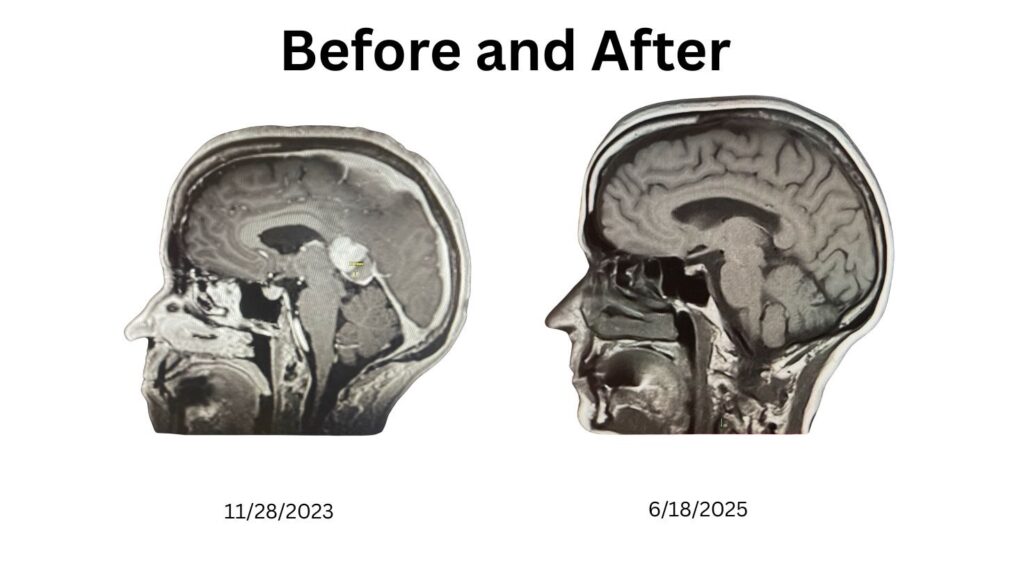
By January 4, 2024, my MRI already showed a positive response to this initial treatment—with a significantly decreased zone of T2 signal abnormality and enhancement in the biopsy-proven CNS lymphoma centered on the posterior body of the corpus callosum, plus no new or progressive enhancement—proving the infection was being addressed without the full chemo protocol they were pushing so urgently.
In addition to dental work (i.e., the removal of the problematic tooth), healing came and continues with holistic practices such as:
- Breathwork.
- Initially, an extended fast to trigger neural autophagy.
- Clean nutrition and mitochondrial support.
- Daily detoxification through sauna and exercise.
- Elimination of all endocrine-disrupting chemicals in my consumed products.
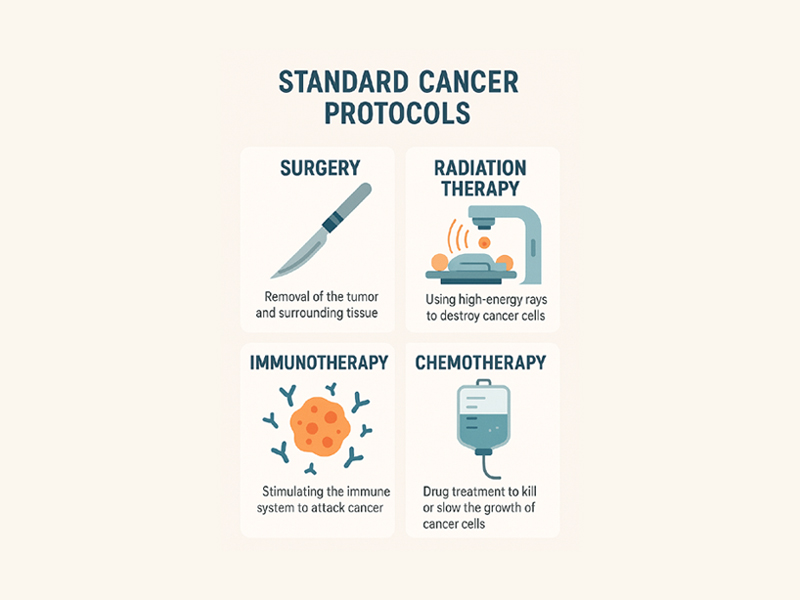
These elements of care help illustrate what is often missing from Standard Cancer Protocols: patient-centered approaches.
Was it scary to walk away from a world-renowned protocol? Yes. But what was scarier was not asking questions.
What the Data Says Now
My last scan, a June 2025 MRI, showed “No masses. No new white matter abnormalities. No active disease.” I expect my next scan (and what will be my last scan; I am done with the waiting and watching for the other shoe to drop) will be stellar.
- I’m not claiming that breathwork cured me.
- I’m not suggesting that fasting is a magic bullet.
But I am saying this: The system I walked away from didn’t acknowledge what I now believe was driving my illness. And the healing I’ve experienced didn’t come from the protocol. It came from reclaiming agency.
Why I’m Telling You This
Because I’m not alone.
Thousands of patients are being routed into systems that serve drug development, not true recovery.
If you are facing a diagnosis—especially a rare one—ask who benefits. Ask whether your protocol is backed by long-term remission data or short-term pharmaceutical incentives.
Ask why root causes are rarely explored.
- You are not a diagnosis.
- You are not a data point.
- You are not their bottom line.

by Linda Wulf | Oct 4, 2025 | Main Blog |
A Broken Promise of Food and Drug Safety
Most Americans believe the FDA exists to keep them safe. The reality is stark: over 7,000 unique chemicals circulate in our food, packaging, drugs, and personal care products, and the majority have never been meaningfully reviewed for long-term safety.(1)
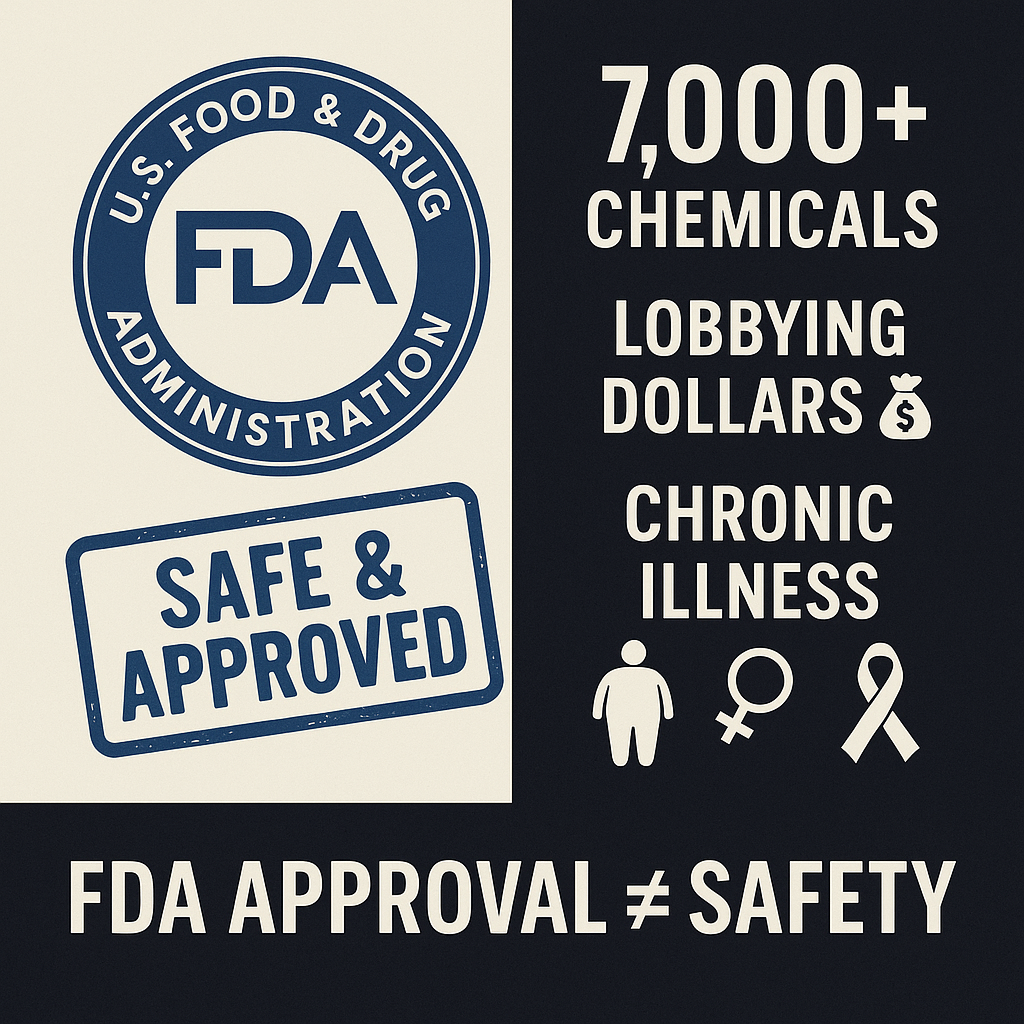
Instead of acting as a watchdog, the FDA functions as a filing cabinet for industry submissions, relying on the ‘Generally Recognized as Safe (GRAS)’ loophole. Companies can self-certify their own ingredients as safe, bypassing independent oversight. Of nearly 4,000 substances in the FDA’s food database, about 3,670 were never actively reviewed by the agency.
The Cost of Industry Capture
Lobbying has tilted the playing field. Since 1998, food and pharma interests have spent nearly $8 billion lobbying against stronger oversight. Efforts to close the GRAS loophole or restrict hazardous substances have been blocked for decades. Even the EPA’s endocrine disruptor program, launched in 2009, has not removed a single chemical from U.S. products.
This isn’t about a few questionable additives — it is systemic. Americans are routinely exposed to thousands of inadequately tested substances across food, packaging, drugs, and cosmetics. (2)
Case Study: A Cancer Rebel’s Perspective
They told me I had “an inoperable, incurable brain cancer.” But ‘incurable’ didn’t mean there was no cause — it meant the guidelines didn’t have a drug for it.” In Medical Guidelines: A Cancer Rebel’s Perspective (3), I describe how standard medical guidelines reduced my disease to a genetic fluke and a drug protocol. The root causes — years of unresolved dental infections and chronic inflammation — were dismissed with the words: “We don’t do teeth.”
This reflects the drug-first trap. Guidelines are written by panels intertwined with industry, incentivized to define “cure” as a prescription rather than prevention. Patients are steered toward toxic treatments and away from investigating underlying infections, environmental exposures, or chemical triggers.
My story is not unique. It is a lived example of how the FDA’s toxic web and the healthcare system’s perverse incentives combine to ignore causes, enforce compliance, and profit from endless treatment.
A Healthcare System That Ignores Root Causes
The problem doesn’t stop with chemicals. In medicine, ‘cure’ is defined almost exclusively as a drug. Since the Orphan Drug Act (1983), billions have flowed into drug pipelines, while root causes like chronic infections, inflammation, endocrine disruptors, and diet-driven dysfunction are dismissed as irrelevant.
Insurance and provider lobbying reinforce this drug-first system. Insurers decide what gets covered — often excluding critical tests that could reveal root causes — while providers are incentivized to treat symptoms, not prevent disease. Patients seeking answers about environmental or infectious causes are too often ignored or told “that’s not covered.”
The System Is Working—For Them
This isn’t a broken system. It’s a system working exactly as designed:
– For industry: endless new drugs, market exclusivity, and record profits.
– For regulators and policymakers: fees, royalties, patents, and revolving-door jobs.
– For insurers and providers: coverage restrictions that block root-cause testing, feeding patients back into the drug/procedure pipeline.
– For the public: exposure to thousands of inadequately reviewed chemicals, resulting in chronic health issues — obesity, infertility, diabetes, cancer — while being left uninformed about the true risks.
What Real Reform Looks Like
To protect public health, the FDA and policymakers must:
1. End the GRAS self-affirmation loophole — require independent FDA review of all additives.
2. Consolidate oversight — unify food, drug, and cosmetic regulation under a single accountable body.
3. Restrict lobbying influence across the entire healthcare system — not just food and pharma, but also insurers and provider networks whose lobbying skews coverage decisions and testing.
4. Ban financial conflicts of interest — policymakers and regulators cannot participate in profits, royalties, or patents tied to the industries they oversee.
5. Build a transparent public database of all chemicals in food, drugs, and cosmetics with plain-language safety summaries.
6. Re-center healthcare on root causes — covering and encouraging tests that detect infections, inflammation, endocrine disruption, and environmental exposures rather than defaulting to drugs.
Until Then
Americans must act as their own watchdogs — reading labels, scanning products with independent tools like Yuka, and demanding accountability. They need to be fully informed and must make the choice to stop consuming the poisons that regulators have failed to remove from the market.
(1) THE TOXIC WEB
(2) NO CAUSE NO CURE
(3) NAVIGATING MEDICAL GUIDELINES – A CANCER REBELS PERSPECTIVE
by Linda Wulf | Sep 8, 2025 | Main Blog |
Medical Guidelines
When I was diagnosed with primary central nervous system lymphoma (PCNSL) in November 2023, my doctors called it a “rare disease.” The young doctor breaking the news nearly wept as she told me my diagnosis and encouraged me with “DO NOT GOOGLE” this. When I googled it, I could see why—it was horrible! Best case scenario was a pretty short stint left on this earth. Some do better than others, the words were – incurable, but treatable.
The preferred path recommended for me was clear: high-dose chemotherapy, rituximab infusions, temozolomide, and eventually autologous stem cell transplant (ASCT). And if that failed, maybe, just maybe I would be lucky and get into a clinical trial for a new immunotherapy drug when the cancer recurred. And I was assured it would return – AGGRESSIVELY if I didn’t stick with the regimen.
Always a bit of a rebel at heart, I chose a different path.
Rather than becoming the kind of “warrior” who fights my own body with toxic regimens, I chose to be a cancer rebel. I leaned into breathwork, fasting, whole foods, meditation, exercise and chemical-free living. Along the way, I eradicated a chronic dental infection—a root cause I could clearly trace to my illness. Within months, my scans showed no active disease. These are my scans, the left taken at the Mayo Clinic – the right at Reno Diagnostics. Different technology. (Note: I may not have pulled the exact same image from the CD. I am not a radiologist, so if an expert would like to compare my scans, please reach out.)
The Limits of Guidelines
The NCCN Guidelines for PCNSL describe my cancer as the result of genetic mutations in lymphocytes, with risk factors like HIV, Epstein-Barr virus, autoimmune disease, organ transplants, or simply being old. Other than being 64, none of these applied to me. There was no mention of dental infections, environmental toxins, or other possible root causes.
As mentioned earlier, the treatments they recommended for me—methotrexate, rituximab, temozolomide, and eventually ASCT—are intense and risky. Nothing in the guidelines suggests they have any real understanding of how the cancer developed or how the body itself might help or participate in the healing process. Cure is described as rare, and clinical trials are recommended for everyone.
Not Just My Cancer
This drug-centered playbook is not unique to PCNSL. Consider prostate cancer, one of the most common cancers in men. The NCCN Guidelines for Prostate Cancer emphasize surgery, radiation, and hormone therapy, but still highlight clinical trials, recurrence management, and long-term drug dependence.
They frame the cause as “genetic changes” or “just aging.” Lifestyle is brushed aside. And while early-stage prostate cancer is labeled “often curable,” advanced cases shift right back to the same language of management, remission, and control.
Here’s the comparison in black and white:
| | |
| High-dose chemo, rituximab, radiation, stem cell rescue | Surgery, radiation, hormone therapy, active surveillance, chemo for advanced |
| Explicitly recommended for every patient; framed as a top option | Mentioned as options; pitched as cutting-edge research |
The details differ, but the pattern is identical:
- Narrow causes (genetics, age).
- Aggressive drug/surgery protocols.
- Clinical trials positioned as the “next hope.”
- Pharma funding quietly underwriting the guidelines.
Where Patients Fit
In neither guideline set do patients find advice on self-care, diet, detox, or root cause exploration. Instead, the role assigned is passive: accept treatment, manage side effects, stay in line. The message is clear—control is not in your hands.
But my story, and the stories of others, show otherwise. Addressing infection, nutrition, breath, and toxins gave my body the space it needed to heal. Along the way, I learned about neurogenesis—the brain’s ability to grow new cells—and I wrote about it in “The Brain’s Amazing Ability to Regenerate: Neurogenesis & My Journey.”
That perspective—that you are not powerless—is missing from official playbooks.
Rebel, Don’t Just Comply
The NCCN guidelines are one perspective, not the only path. They are influenced by drug companies, written by panels of doctors tied to the very industry that profits from perpetual treatment.
Take what’s useful from them—but question the rest. Explore your own root causes, and above all, examine the substances you are consuming.
Look at your body not just as a battlefield but as a system capable of healing if supported. If you’d like to see the specific protocols I applied, I detailed them in “Breathing New Life into Cancer Recovery: A Data Backed Challenge to Conventional Protocols.” I’m living proof that you can rebel against the system and still find hope, healing, and clear scans.
Lastly, we need to recognize how our own governance systems are keeping us sick. I explored that in “The Toxic Web – Inadequate Governance, Overlapping Databases & Big Money Keeping America Sick.”
by Linda Wulf | Sep 1, 2025 | Main Blog |
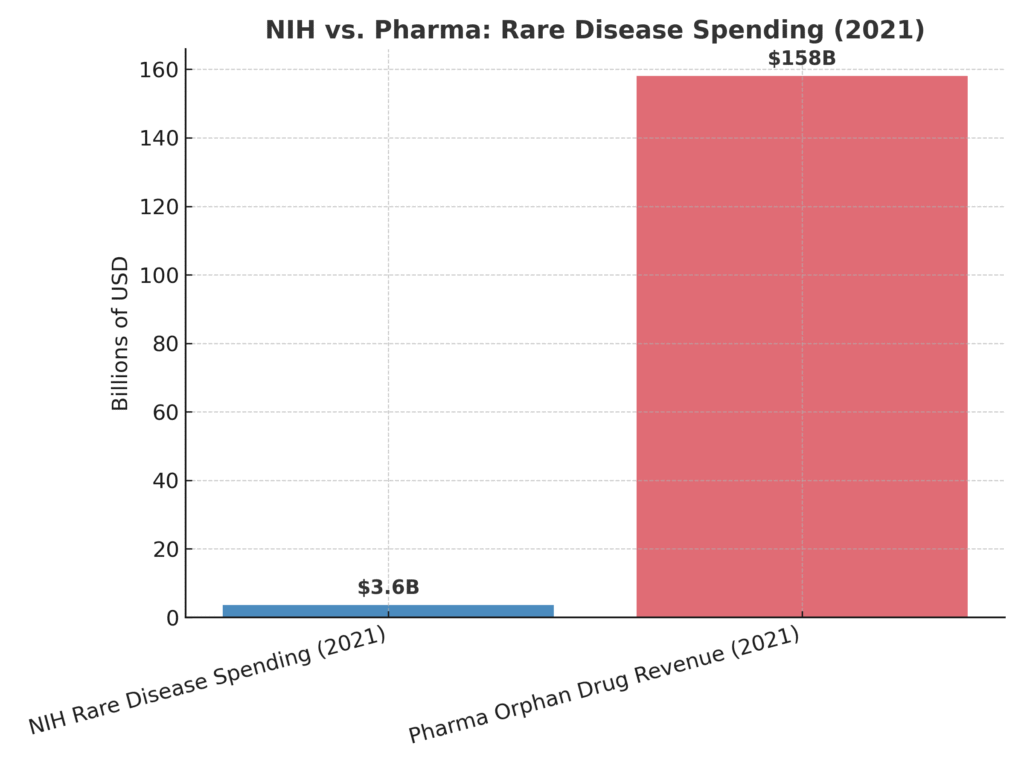
Billions flow into drug pipelines while root causes like infection, inflammation, and chemicals are ignored.
They told me I had an ‘incurable, inoperable brain cancer.’ But the word incurable wasn’t true — it was a reflection of how our system defines cure. In medicine today, cures almost always mean drugs. And when the cause doesn’t fit that drug-first narrative, it gets ignored.
My cancer didn’t come from bad luck or a random mutation. It followed years of chronic dental infections — a connection my doctors dismissed with the words: *’We don’t do teeth.’* That single line summed up the blind spot baked into our healthcare system: it doesn’t look for causes, it looks for prescriptions.
The Incentives That Shape Medicine
Since the Orphan Drug Act of 1983, a ‘rare disease’ has been defined as one that affects fewer than 200,000 Americans. The law created powerful incentives for companies: seven years of market exclusivity, tax credits for clinical trials, and waived FDA fees. In 2002, the Rare Diseases Act expanded NIH funding, creating the Office of Rare Diseases Research. Both laws were designed to stimulate innovation — and they did. But the innovation was channeled almost exclusively toward drugs, not prevention, not causes. Billions have flowed into the pipeline.
The government doesn’t just regulate this system — it participates, benefiting from patents, royalties, and partnerships. Meanwhile, the pharmaceutical industry reaps trillions in revenues. The balance is obvious: cures are defined as drugs, not as eliminating the conditions that cause disease in the first place.
A Timeline of Oversight—and Abandonment
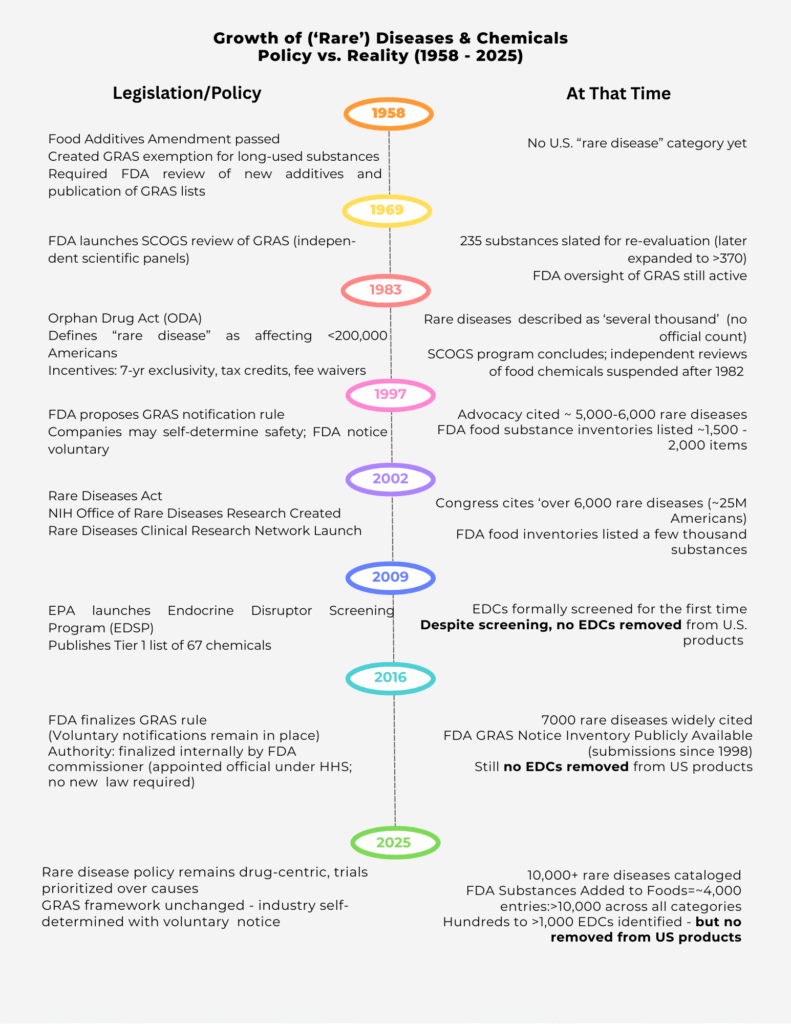
The government once had a more balanced approach. In 1958, the Food Additives Amendment created the ‘generally recognized as safe’ (GRAS) category. By 1969, FDA launched the SCOGS program, where independent scientific panels reviewed hundreds of food chemicals. Those reviews concluded in 1982, and no significant removals followed. After that, independent oversight was suspended. In 1983, the Orphan Drug Act shifted the focus squarely toward drugs.
In 1997, FDA proposed a new rule allowing companies to self-certify chemical safety with voluntary notification to the agency. By 2016, the GRAS rule was finalized — not by Congress, but internally by the FDA Commissioner, an appointed official. That single decision cemented a framework where industry now polices itself.
Meanwhile, in 2009, the EPA launched the Endocrine Disruptor Screening Program (EDSP), its first formal attempt to evaluate endocrine-disrupting chemicals (EDCs). But here too, the promise fell flat. As the Inspector General confirmed in 2021, after more than a decade of screening, **not a single EDC has been removed from U.S. products.**
What Gets Ignored
When the system tilts this far toward pharmaceuticals, what gets left behind are the real root causes of disease. Chronic infections. Inflammation. Endocrine-disrupting chemicals. Environmental exposures. Metabolic dysfunction tied to our diets. Each of these can drive disease, yet none of them come with tax credits, exclusivity periods, or billion-dollar incentives. Instead, we pour billions into trials for the next drug, while causes remain unaddressed.
The Bigger Picture
The policies guiding rare diseases were designed with good intentions, but the outcome has been predictable. Billions have been spent on research and drug development, while independent reviews of food chemicals were halted decades ago and endocrine disruptor screening has produced no removals. Patients like me are told our diseases are genetic, mysterious, or ‘bad luck,’ even when the cause may be as basic as a chronic infection. I was told my disease was ‘incurable,’ yet I have no disease. Until root causes are addressed, patients will remain trapped in a drug-first system — a system that is not broken, but working exactly as designed.