Time to Reclaim our Health from Harmful Chemicals!

Our bodies can heal—but not while exposed to toxic chemicals in our food, supplements, medications, cleaning products and  personal care products.  Government agencies and big business lag behind.  But, you don’t have to.  One step at a time, you can reduce your exposure, strengthen your defenses and thrive.

A Century of Harmful Chemicals Threatens Your Health

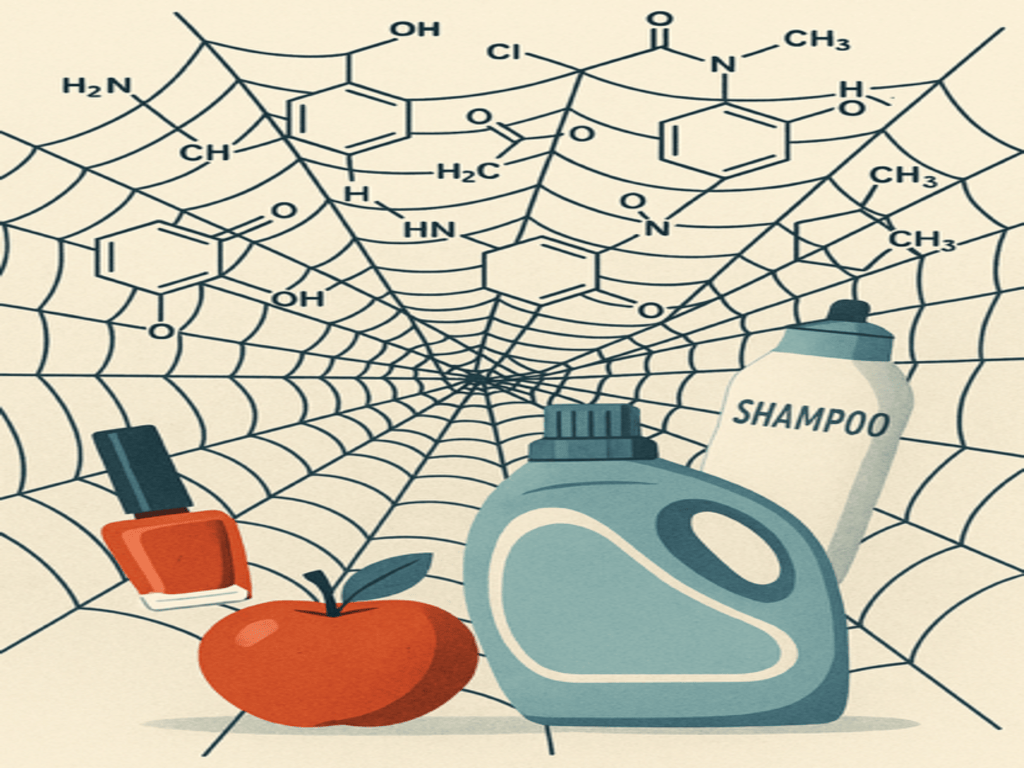
Over the last 100 years, we have created more than 7,000 chemicals.  Thousands are harmful and many are endocrine disruptors.  These chemicals have flooded our foods, medications, vitamins, supplements, soap, detergents, and personal care products like sunscreen, makeup, and shampoo. Many products are absorbed through the skin—our largest organ—or ingested daily through foods, pills and supplements.  Their cumulative impact is unstudied, as science tests them in isolation, driving widespread health risks. At JJ of Reno, we’re dedicated to:

  • Exposing the dangers of toxic additives.
  • Raising awareness about untracked chemical exposure.
  • Demanding transparency and stricter regulation. 

Join us to protect your health. Visit  About Us to learn more or Join us to get our newsletter.
 

chemical web products

Visit us at:

Facebook

author linda wulf

Let’s Get Connected

5150 Mae Anne STE 405, PMB 1176 Reno, NV 89523

Email: info@jjunr.com

Visit my blog and share your feedback

My Blog
7 Ways Deep Breathing Might Enhance Mitochondrial Health

Mitochondria are our cellular powerhouses, converting oxygen and nutrients into Adenosine Triphosphate (ATP), the energy currency of our cells. My exploration into the world of deep breathing started almost by accident as I thought about getting past the blood-brain...

Navigating Medical Guidelines: A Cancer Rebel’s Perspective

Medical Guidelines When I was diagnosed with primary central nervous system lymphoma (PCNSL) in November 2023, my doctors called it a “rare disease.” The young doctor breaking the news nearly wept as she told me my diagnosis and encouraged me with “DO NOT GOOGLE”...

GRAS: The Hidden Label in Your Food You Didn’t Know About

Imagine picking up a snack from the grocery shelf—crackers, soda, or a candy bar. You scan the ingredients, spotting familiar names like sugar or salt, and maybe some tongue-twisters like "sodium benzoate" or "xanthan gum." What you don’t see is a quiet stamp of...

The FDA’s Toxic Web and the Drug-First Trap

A Broken Promise of Food and Drug Safety Most Americans believe the FDA exists to keep them safe. The reality is stark: over 7,000 unique chemicals circulate in our food, packaging, drugs, and personal care products, and the majority have never been meaningfully...

Navigating Harmful Additives in the Modern Landscape: Understanding Interactions in Food, Cosmetics, and Beyond

Our daily lives are steeped in chemicals—from the preservatives in your cereal to the synthetic colors in your lipstick. Harmful additives shape what we eat, slather on our skin, and absorb into our bodies, often combining in a “cocktail effect” that amplifies their...

Fasting for Neural Autophagy: How Long is Optimal?

What is Autophagy? Autophagy, derived from the Greek words “auto” (self) and “phagy” (eating), is a physiological process where cells dismantle and recycle their own damaged or unnecessary components. This self-cleaning mechanism is essential for: Removing damaged...

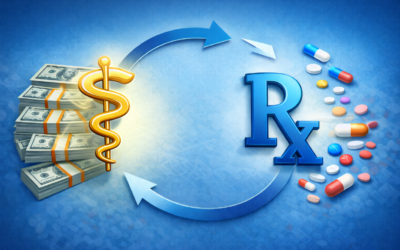
What We have Really Created: A Self-Perpetuating Industry

Part 3 of 4 The Orphan Drug Act of 1983 and the Rare Diseases Act of 2002 were intended to reduce suffering by accelerating cures for rare conditions. After more than four decades and billions in public spending, rare diseases have not diminished. They have...

From Temporary Fix to Permanent System

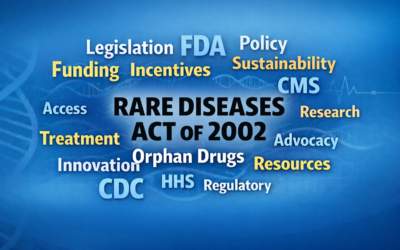
The Rare Diseases Act of 2002 — Part 2 of 4 How Rare Disease Became Federal Infrastructure Part 1 examined how the Orphan Drug Act of 1983 used incentives to correct a market failure—and why it worked. But that law was never intended to create a permanent system. In...

Unseen and Unnoticed: Realizing the Chemical Load in Our Modern Lives

Realizing the Chemical Load About this time last year—July 2024—I started doing one of those strange and sobering things people do when they begin consciously preparing for the end: clearing out clutter, sorting through forgotten corners of the house, and asking what...

Navigating the Shadows of Gadolinium: A Patient’s Odyssey Through Medical Trust and Self- Advocacy

Gadolinium, a rare earth metal, serves as a contrast agent in MRI scans, enhancing the visibility of internal structures. This enhancement is crucial for diagnosing various conditions, including cancers, by providing clearer images of organs, tissues, and blood...

Breaking Free – One Patient’s Real-World Proof That “Incurable” Is a Lie

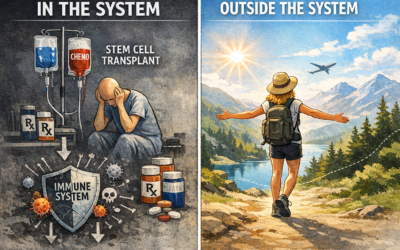
Part 4 of 4 For the last three parts, we've traced how the Orphan Drug Act of 1983 started with genuine compassion, how the Rare Diseases Act of 2002 turned rare conditions into permanent federal infrastructure, and how the result is a trillion-dollar...

When Good Intentions Become an Industry

When Compassion Met Incentives: The Orphan Drug Act of 1983 (Part 1 of 4) In the late 1970s and early 1980s, families across America watched helplessly as loved ones died from rare diseases—conditions so uncommon that pharmaceutical companies saw little profit in...

Pin It on Pinterest

Share This