When a doctor prescribes a medication, how much do we really know about why it’s being used for our condition? How effective it is? How it was approved, and what it’s supposed to do? Is it off-label and exactly what does that mean?
A couple of years ago, I found myself in a hospital room with a brand-new diagnosis: a “rare disease”—an inoperable, incurable brain cancer (primary central nervous system lymphoma, or PCNSL). This was not how I pictured my later years. From the moment I arrived at Mayo Clinic, I knew my issues were tied to my teeth—a systemic dental infection fueling inflammation throughout my cranium. I eventually found my path to wholeness, but along the way, I learned things I wish I’d known sooner. If this resonates, maybe it’ll help you too.
I’ve covered key pieces of this puzzle in previous articles on my site (jjunr.com):
- To better understand the history of research funding for drugs to help people with rare diseases read: When Good Intentions Become an Industry
- How the government established the framework to support this rare disease (e.g., Orphan Drug Act and beyond) read: From Temporary Fix to Permanent System
- How we have a thriving industry that creates drugs and finds new rare diseases every year but fails to cure anything—the focus is on disease “management,” while ignoring toxins or potential causes: What We Have Really Created: A Self-Perpetuating Industry and No Cause, No Cure
- My life now is disease-free and freed from the system because I understood and addressed the source you can read about it here: Breaking Free—One Patient’s Real-World Proof That “Incurable” Is a Lie and The Brain’s Amazing Ability to Regenerate: Neurogenesis & My Journey
And in The Night I Saw Pharma’s Names on My Cancer Protocol, I tie it all together—revealing the interconnectedness of the industry (standard protocols and their connections with pharma-driven solution) versus the patient’s lived reality, choices, and potential for root-cause healing outside the system.
This piece focuses on the medications themselves—how the industry evolved, and what it means for anyone caught in it.
What Is Off-Label Use?
Off-label use means a doctor prescribes an FDA-approved drug for a purpose, dose, or patient group not on the official label.
It’s legal and common in the US (10-20% of prescriptions overall, often higher in oncology). Doctors have this flexibility because the FDA regulates drug approval and manufacturer promotion—not how physicians practice medicine.
This has been allowed since the early FDA laws (1906 Pure Food and Drugs Act, strengthened in 1938 and 1962), which separate drug regulation from medical practice.
Many off-label uses become standard through evidence and experience and are not inherently experimental or risky.
Brief History of Off-Label Drug Use
- 1906: Pure Food and Drugs Act — Required honest labeling; preserved physician freedom.
- 1938: Federal Food, Drug, and Cosmetic Act — Proof of safety required; affirmed FDA doesn’t control medicine.
- 1962: Kefauver-Harris Amendments — Proof of efficacy via trials; labels became specific, defining “off-label.”
- 1983: Orphan Drug Act — Incentives for rare diseases (<200,000 patients); led to approvals but also loopholes like “salami slicing” subsets for exclusivity and high prices.
- 1990s–Present: Limited off-label info dissemination allowed; ~20% prescriptions off-label, especially in cancer—scrutiny over promotion and costs.
How Does This Translate to the Individual?
Doctors aren’t required to get special written consent for off-label use (beyond general admission consents). It’s up to you to know this and advocate for yourself. Let me share one drug experience that sent me down the rabbit hole. Rituximab was my wake-up call, but the same questions apply to any mediation you are prescribed.
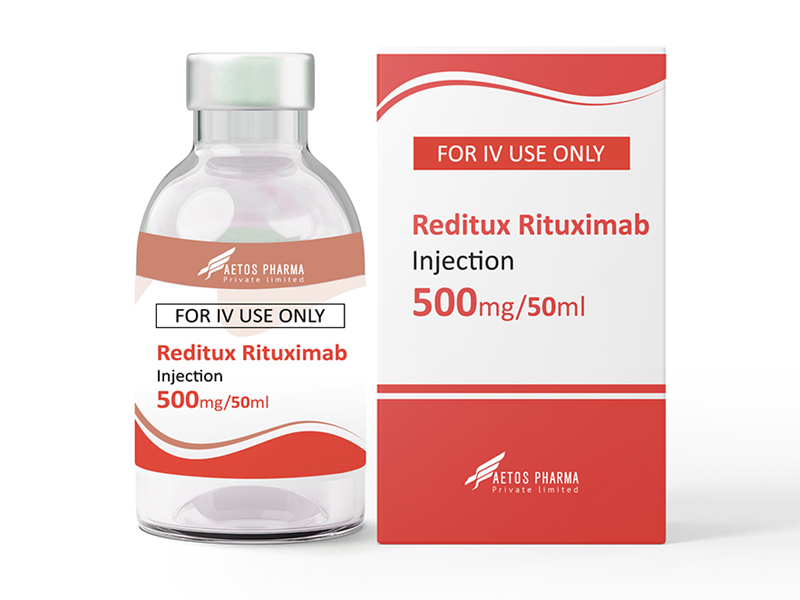
I received two infusions of rituximab (Rituxan/RUXIENCE). The first was terrifying—I felt like I was dying. Violent reactions: shivers, excruciating pain, and then I realized I had stopped breathing automatically. I had to consciously think “breathe now” to stay alive. Flailing to stay awake while heavily drugged, it was horrifying. The team managed it, but afterward, I told the doctor how I experienced it—I had to think to breathe. At the time, my description was dismissed as an overreaction.
Recently, when I searched the NIH DailyMed page for the drug, the black box warning hit hard:
WARNING: FATAL INFUSION-RELATED REACTIONS. – Administration of rituximab products can result in serious, including fatal, infusion-related reactions. Deaths within 24 hours of rituximab infusion have occurred. Approximately 80% of fatal infusion-related reactions occurred in association with the first infusion. Monitor patients closely. Discontinue RUXIENCE infusion for severe reactions…
Section 5.1 goes on to detail: Reactions include urticaria, hypotension, angioedema, hypoxia, bronchospasm, pulmonary issues, shock, anaphylaxis, or death—often in the first 30–120 minutes. Premedicate with antihistamine, acetaminophen; for some indications, steroids like methylprednisolone. Manage with epinephrine, oxygen, etc. Reduce rate or stop if severe.
They give multiple drugs just to safely administer this one. And for my case? Zero evidence it helped my variation of PCNSL, I a
The hospital charged high amounts for these drugs: On December 7, 2023, the rituximab-pvvr (RUXIENCE) injections totaled $11,455. Two weeks later, on December 21, the biosimilar rituximab-abbs rose to $14,063—a roughly 23% increase. Strange how the “cheaper” biosimilar option wasn’t cheaper. Biosimilars are marketed as cost-savers through competition, but in practice (with hospital markups, list prices, or other factors), they don’t always deliver the expected savings to patients or systems—especially in off-label use.
The Clinical Studies Behind the Approval
The DailyMed label for RUXIENCE cites studies from the original Rituxan (not new ones for the biosimilar). These are from Genentech/Roche and Biogen (original developers/marketers), often with academic/cooperative groups (e.g., ECOG, German study groups).
They focus on:
- Relapsed/refractory low-grade/follicular NHL (single-agent rituximab).
- Adding rituximab to chemo (CVP or CHOP) for untreated follicular or diffuse large B-cell NHL.
- CLL with fludarabine/cyclophosphamide.
No large trials for PCNSL appear in the label—efficacy data bridges from those original pharma-sponsored studies showing benefits like better response rates and survival in systemic NHL/CLL.
Pfizer (RUXIENCE maker) did smaller biosimilarity trials to prove it’s similar to Rituxan, but the core approval relies on Roche/Biogen’s foundational work. (Truxima/rituximab-abbs has its own separate label, but draws from similar foundational data.)
Profit Ties: Roche/Biogen profit from branded Rituxan (billions historically). Pfizer (and others like Teva for Truxima) profit from biosimilar versions, capturing market share. The original positive data drives sales for all—yet as my billing showed, promised price competition doesn’t always materialize in real-world charges.
Why Transparency Matters
You deserve to know: Is this approved for my exact cancer? What are the real risks? How does it work? Searching DailyMed yourself reveals a lot.
My severe reaction matched the black box warning—validating my experience. Asking questions empowered me.
The Key Resource: NIH’s DailyMed Database
Free from the National Library of Medicine: https://dailymed.nlm.nih.gov/. Search by drug name → read “Indications and Usage,” “Warnings,” “Clinical Studies.”
You can pair with ClinicalTrials.gov for trials (including off-label contexts) and for more technical searches.
How to Use It in Real Life
Before any new med (whether it’s a cancer treatment like rituximab or something else entirely):
- Search DailyMed.
- Compare approved uses vs. yours.
- Copy and paste the link for your medication into an AI platform and start asking questions until your are satisfied with the results.
- Ask your doctor: “Why this for my situation? What evidence?”
Doctors often base off-label on guidelines/experience—knowledge helps you partner, not oppose.
Conclusion
Knowledge reduces fear and builds better decisions. Explore these tools, ask questions, share experiences (here or in communities). Wishing strength to everyone navigating this—may you find your path to wholeness too.

Linda Wulf
Linda Wulf is a cancer rebel, advocate, and independent researcher. Diagnosed in 2023 with primary CNS lymphoma, she declined standard chemotherapy and pursued a root-cause, immune-supporting path. Twenty-three months cancer-free via root-cause approach.